Tech Story #15 · Golden Age G8: Mariam al-Ijliya and the hand-held computer of the stars
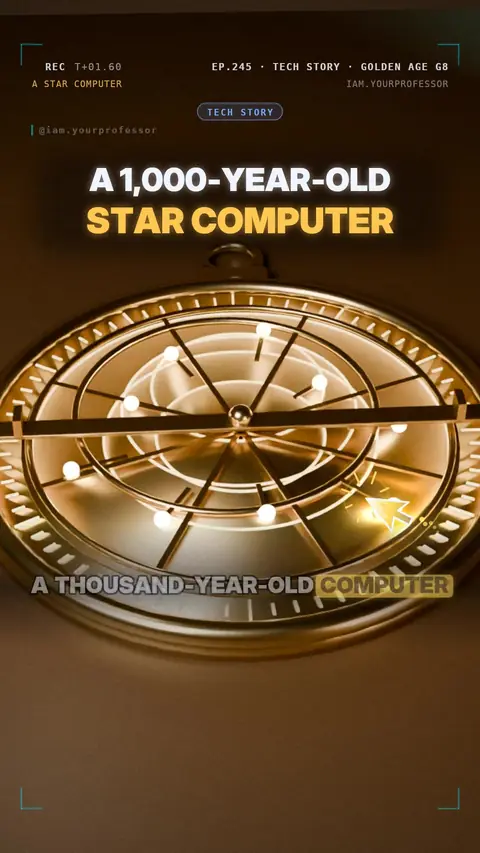
Aleppo, 10th century: Mariam al-Ijliya built astrolabes, hand-held analogue computers for time, stars and direction; asteroid 7060 Al-Ijliya is named after her.
A 1,000-year-old computer for the stars ✨🧭
📍 Aleppo, in the 900s: Mariam al-Ijliya built astrolabes for the ruler of Aleppo.
🌌 An astrolabe is a hand-held model of the sky. Turn its star map, sight the sun along the rule, and read off the time.
⭐ It also finds stars, sunrise times and directions — a brass, hand-held computer!
🤔 What's named after her today?
☄️ An asteroid: 7060 Al-Ijliya!
📱 Your phone's GPS, compass and clock do the same jobs now.
📜 Few details of her life survive — but her name is in the history books, and in the sky.
Read the voiceover (transcript)
- A thousand-year-old computer for the stars!
- In Aleppo, Mariam al-Ijliya built them.
- Turn its star map, sight the sun, and it tells you the time.
- Stars, sunrise, directions: a hand-held computer!
- What's named after her today?
- An asteroid! Seven oh six oh.
- Your phone's GPS does it now.
- Next: the sine wave in your socket. Follow for more!
Related lessons
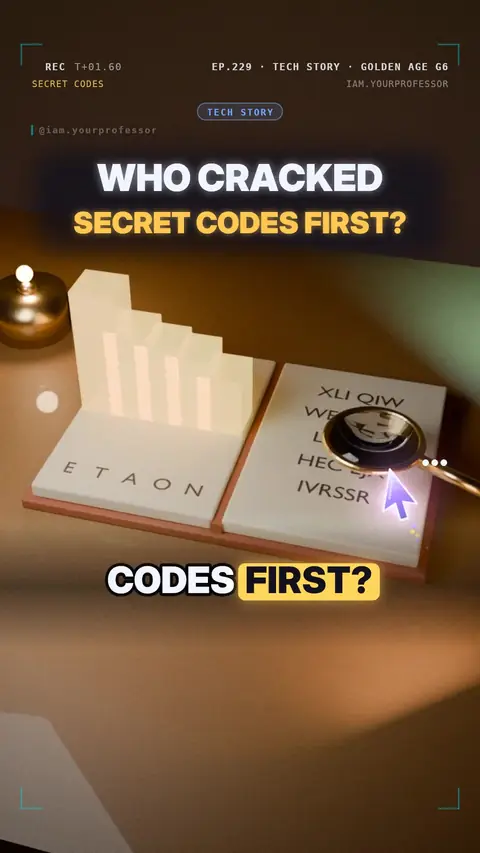 EP.229 · Tech StoryTech Story #13 · Golden Age G6: al-Kindi — the first codebreaker
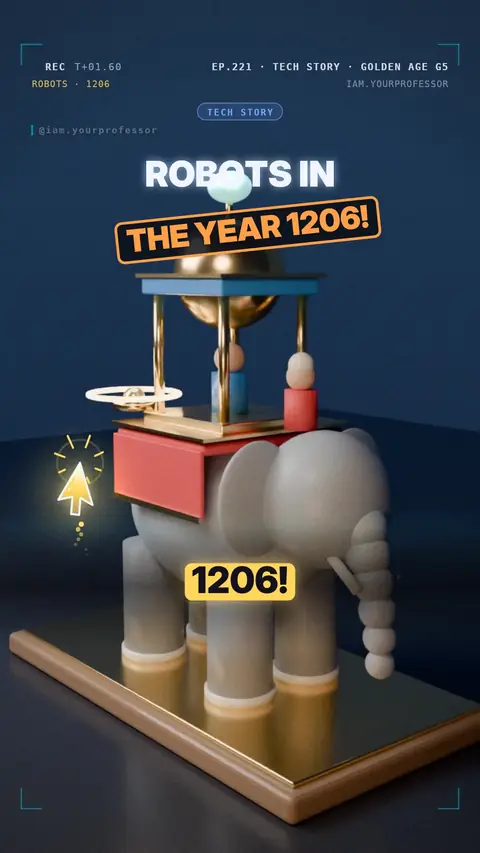 EP.221 · Tech StoryTech Story #12 · Golden Age G5: al-Jazari — the robots of 1206
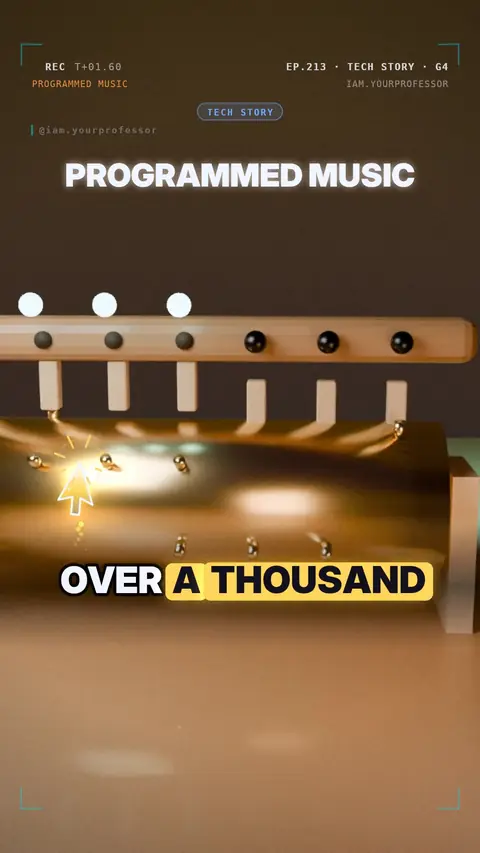 EP.213 · Tech StoryTech Story #11 · Golden Age G4: the Banu Musa brothers — a music machine you could program
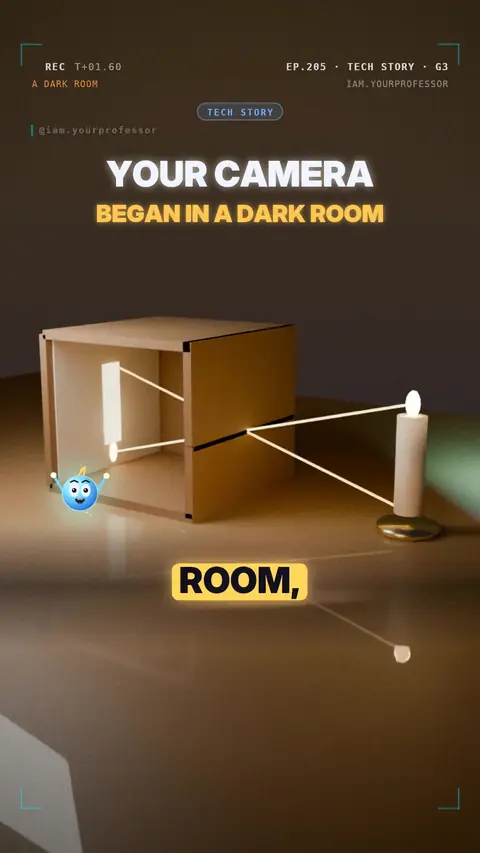 EP.205 · Tech StoryTech Story #10 · Golden Age G3: Ibn al-Haytham — light, the eye and the camera
Get new lessons + early access to the full course
One email when new lessons drop. No spam, unsubscribe any time.
✓ You're on the list! We'll email you when new lessons drop.
By joining you agree to the privacy policy.