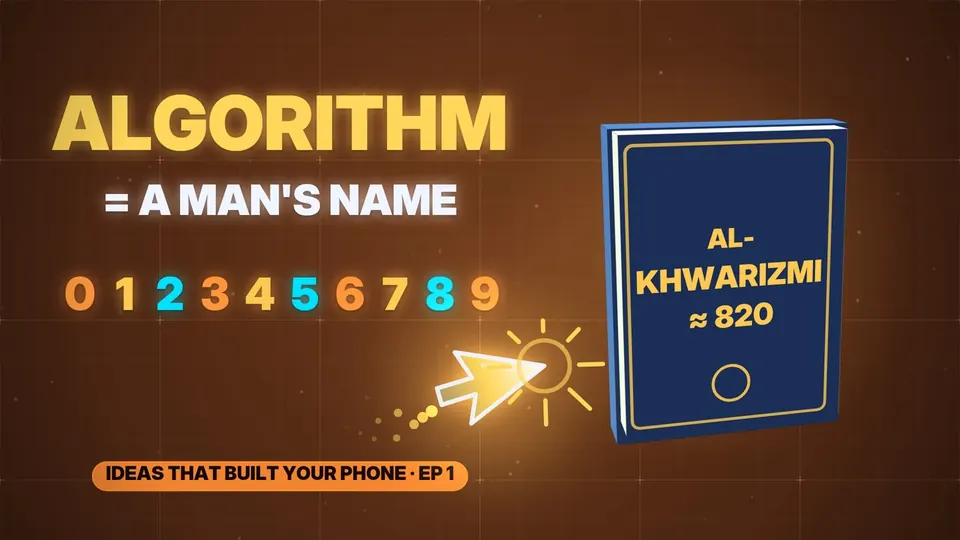
Ideas That Built Your Phone: the Golden Age of Science · EPISODE 1 · 2:38
al-Khwarizmi, the Digits and the Word "Algorithm"
Every app on your phone runs on a word that comes from a man's name — and the digits on your screen travelled for over 1,000 years to get there. The story of place value, zero, Baghdad's House of Wisdom and al-Khwarizmi, in under 3 minutes. Episode 1 of Ideas That Built Your Phone: the Golden Age of Science.
// CHAPTERS · TAP TO JUMP
// IN THIS EPISODE
What you'll learn
- Roman numerals have no zero and no place value, so adding them is a real headache.
- Our digits 0–9 use place value: the 3 in 30 means 3 tens, in 300 it means 3 hundreds. Zero holds an empty place (3_5 → 305).
- This system was built in India; in 628 Brahmagupta wrote rules for zero (a number minus itself is zero).
- Around 820, Baghdad's House of Wisdom was full of scholars translating Greek, Persian and Indian books.
- Muhammad ibn Musa al-Khwarizmi wrote a book on calculating with the Indian numerals, step by step. Centuries later its Latin translation turned his name into "Algoritmi" → algorism → algorithm. His book al-Jabr gave us the word "algebra".
- In 1202 Fibonacci spread the "Hindu–Arabic numerals" across Europe.
- An algorithm = a recipe of exact steps. Column addition with a carry is one! Your phone runs billions of tiny steps a second, and counts with place value in binary: places 8 · 4 · 2 · 1, so 1011 = 8 + 2 + 1 = 11.
// 30-SECOND SHORTS ON THIS
Quick refreshers
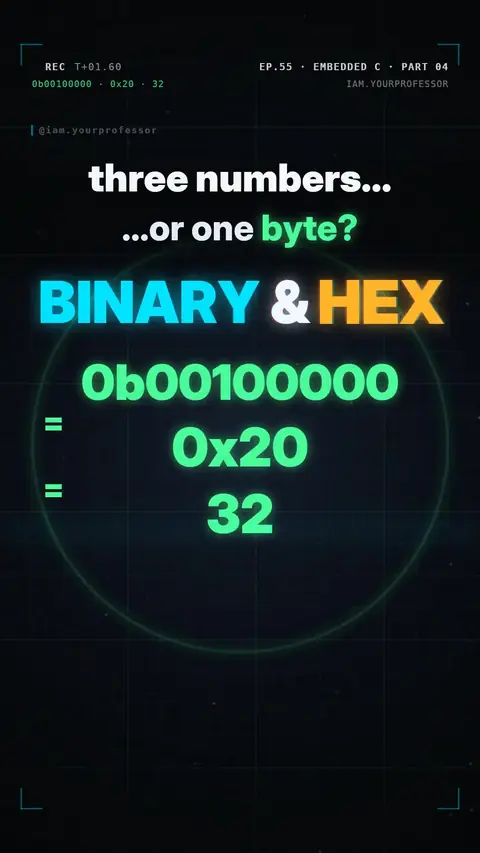 EP.55 · Embedded C · 4Binary & hex: one byte, three ways
 EP.103 · Explained SimplyExplained Simply #2: How does a computer think with just ON and OFF?
 EP.189 · Tech StoryTech Story #8 · Golden Age G1: al-Khwarizmi — the word 'algorithm' is his name
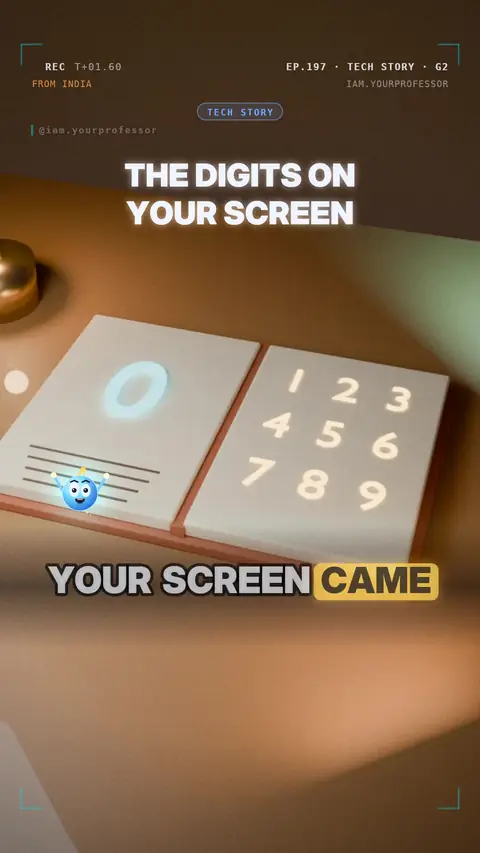 EP.197 · Tech StoryTech Story #9 · Golden Age G2: the digits on your screen — India → Baghdad → Europe
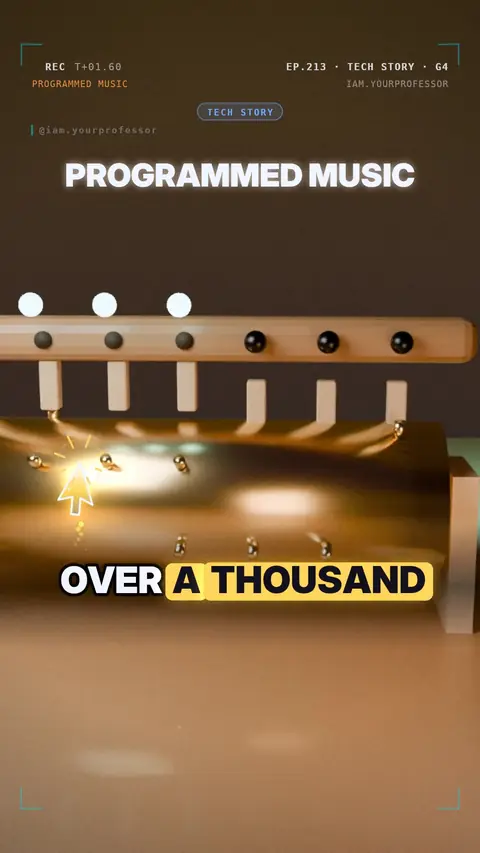 EP.213 · Tech StoryTech Story #11 · Golden Age G4: the Banu Musa brothers — a music machine you could program
// NEWSLETTER · FREE
Get the next episode first
One email when a new episode drops. No spam.
✓ You're on the list! We'll email you when new lessons drop.
By joining you agree to the privacy policy.