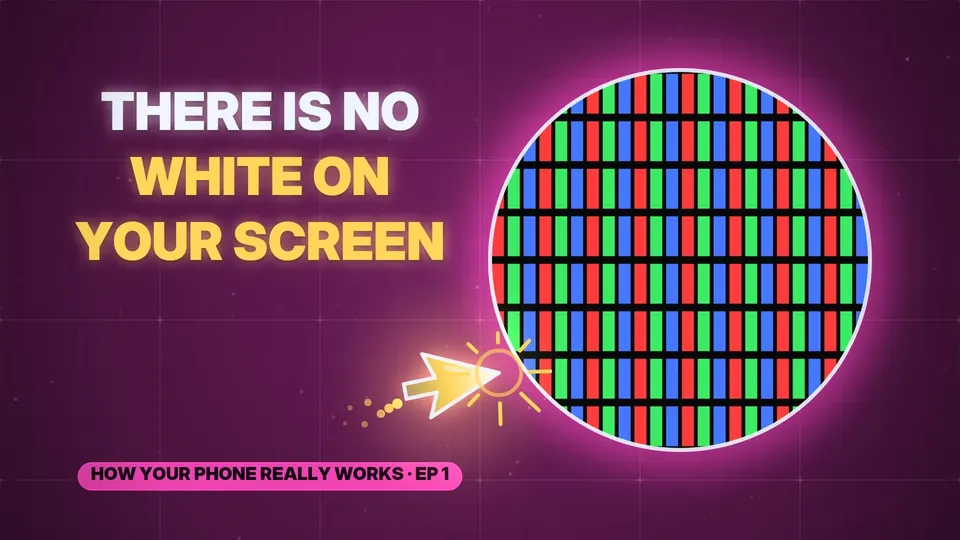
How Your Phone Really Works · EPISODE 1 · 2:37
The Screen — Pixels, LCD vs OLED and Touch
Zoom into a white page on your phone and there's no white at all — just tiny red, green and blue lights! How pixels make millions of colours, the real difference between LCD and OLED (and why OLED black is truly black), and how the glass feels your finger. Episode 1 of How Your Phone Really Works, in under 3 minutes.
// CHAPTERS · TAP TO JUMP
// IN THIS EPISODE
What you'll learn
- Your screen is a grid of pixels — a 1080 × 2400 phone has about 2.6 million. Each pixel is three tiny lights: red, green and blue. A drop of water on the screen acts like a magnifying glass, so you can see them.
- Your eye mixes them: red + green looks yellow; all three at full power look white.
- Each light has 256 brightness steps → 256 × 256 × 256 ≈ 16.7 million colours. The picture is redrawn 60 or 120 times a second (120 Hz = smoother scrolling).
- LCD: one white backlight, always on, and liquid crystals that twist to pass or block the light — so black always leaks a little light.
- OLED: every tiny light makes its own glow; black = switched off → true black, and it saves battery on dark pixels. Many phones today use OLED; many cheaper phones and most laptops use LCD.
- Touch: an invisible grid of see-through wires under the glass, checked 100+ times a second. Your finger conducts and pulls a little charge from the nearby crossings, so the phone knows where you touched. A normal glove doesn't conduct, so nothing happens; touchscreen gloves have conductive threads.
// 30-SECOND SHORTS ON THIS
Quick refreshers
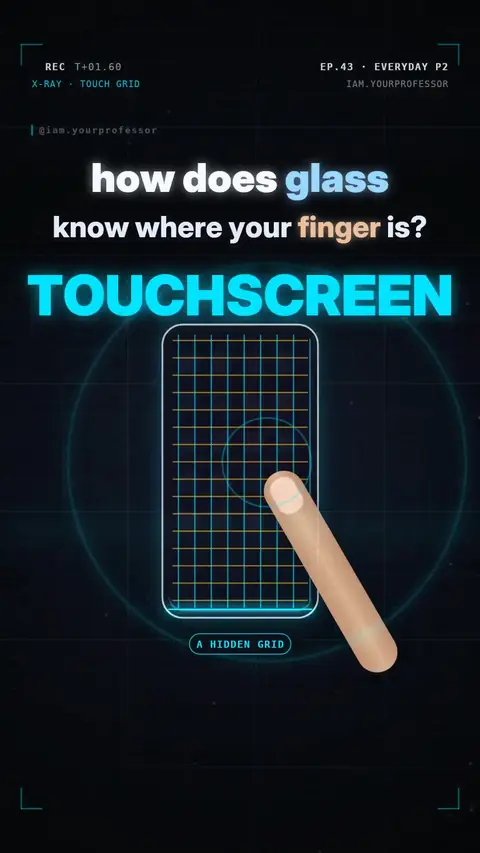 EP.43 · Everyday Tech · 2How your touchscreen feels your finger
 EP.150 · Why does…?Why does…? #12: Why does your phone screen turn off at your ear?
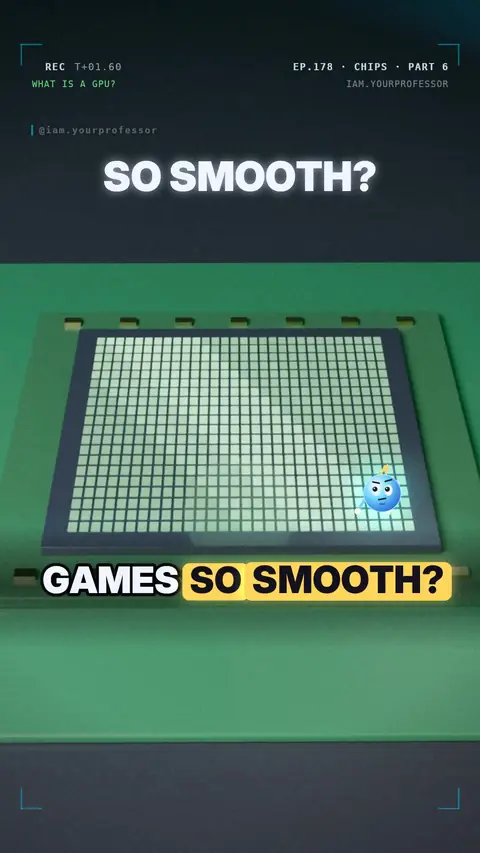 EP.178 · Chips · 6Chips Part 6: What is a GPU? Thousands of small cores
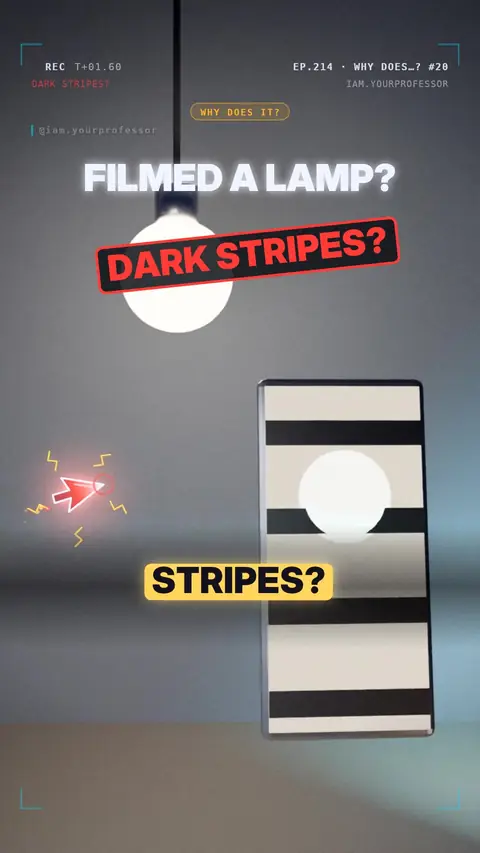 EP.214 · Why does…?Why does…? #20: why LED lights flicker on your phone camera
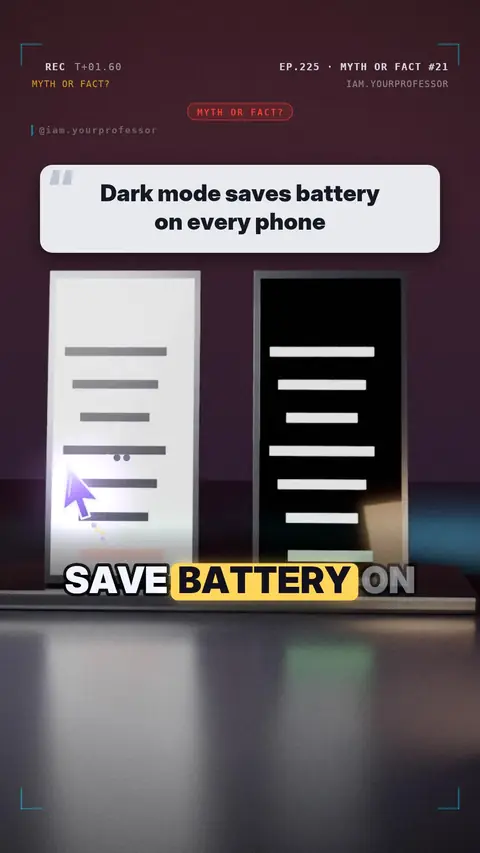 HALF TRUE
EP.225 · Myth or FactMyth or Fact #21: "Dark mode saves battery on every phone" → HALF TRUE
 MOSTLY MYTH
EP.241 · Myth or FactMyth or Fact #23: "More megapixels = better photos" → MOSTLY MYTH
// NEWSLETTER · FREE
Get the next episode first
One email when a new episode drops. No spam.
✓ You're on the list! We'll email you when new lessons drop.
By joining you agree to the privacy policy.